

Understanding the Foreclosure Timeline in Dallas–Fort Worth
Foreclosure in Texas is a non-judicial process, meaning lenders do not need to file a lawsuit to move forward. Under Texas Property Code § 51.002, lenders must follow specific notice and posting requirements before conducting a foreclosure sale. Once payments fall behind, the lender sends a Notice of Default by certified mail. After required notice periods are satisfied, a Notice of Trustee Sale is posted and filed with the county.
In Dallas County and Tarrant County, foreclosure auctions typically occur on the first Tuesday of each month. Homeowners navigating foreclosure situations in Dallas often don’t realize how quickly the timeline moves once a sale is posted.
That timeline moves faster than most homeowners expect.
Once a sale is posted, you are working against a defined deadline — not an open-ended situation. Until the auction occurs, you still legally own the property. After that moment, control transfers immediately.
Acting before the auction date preserves options.
What Happens If a Dallas–Fort Worth Home Goes to Auction?
If a foreclosure sale proceeds:
• The property is sold to the highest bidder
• The final sale price is outside your control
• The foreclosure becomes part of your long-term credit record
• In certain cases, a lender may pursue a deficiency balance
Many homeowners assume foreclosure simply eliminates the debt. In reality, if the auction sale does not cover the remaining loan balance, lenders may seek recovery of the difference.
For example:
If a home in Dallas–Fort Worth is worth $400,000 and the remaining loan balance is $325,000, but it sells at auction for $305,000, the financial gap matters.
Selling prior to auction keeps pricing decisions in your hands — not in a public bidding environment.
Yes, You Can Sell a House Before Foreclosure in Dallas–Fort Worth
Until the trustee sale takes place, you retain ownership and the legal right to sell your property.
A sale completed before auction can:
• Pay off the lender
• Cancel the foreclosure sale
• Prevent a completed foreclosure on your credit
• Protect remaining equity
Timing is critical. As the sale date approaches, options narrow and leverage decreases. Acting early creates flexibility.
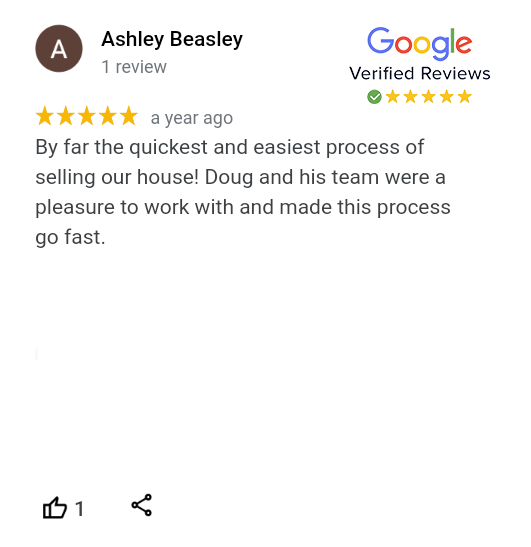
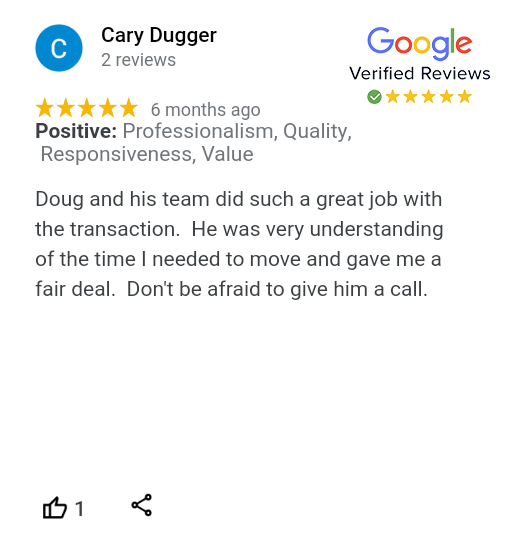
Top-Rated & Trusted DFW, TX Cash Home Buyer



Why Traditional Listings Often Fail When Foreclosure Is Active
In today’s Dallas–Fort Worth market, inventory has increased and buyer activity has become more selective. Financing approvals are tighter, inspection negotiations are common, and appraisal gaps are more frequent than in previous years. Sellers dealing with tight timelines in Fort Worth often find that traditional listings introduce too much uncertainty.
When foreclosure is pending, traditional listings introduce risk:
• Financing contingencies
• Inspection repair demands
• Appraisal shortfalls
• Extended closing timelines
• Buyer cancellations
If a financed buyer falls through days before closing, the foreclosure clock does not reset.
In time-sensitive situations, certainty is often more valuable than maximizing list price.
The Real Reasons Foreclosure Happens in Dallas–Fort Worth
Foreclosure rarely stems from one isolated issue. It often results from compounded financial pressure.
Common contributing factors include:
• Job loss or reduced income
• Divorce or separation
• Medical expenses
• Adjustable mortgage rate increases
• Tenant non-payment on rental properties
• Rising property taxes and insurance premiums
• Major unexpected repairs
In neighborhoods across Dallas and Fort Worth with older housing stock, deferred maintenance combined with higher ownership costs can accelerate financial strain.
Foreclosure is a financial situation — not a reflection of character. Early action preserves control.
Stop Foreclosure Today – Get an As-Is Cash Offer for Your DFW, TX Home
Protecting Equity Before the Auction Date
Equity is often the largest financial asset a homeowner has built.
Over recent years, many Dallas–Fort Worth properties appreciated significantly. Even in a shifting market, substantial equity may still exist.
Once a foreclosure auction occurs:
• The sale price is outside your control
• Recovery of surplus funds can become complex
• Credit impact becomes permanent
Selling prior to foreclosure ensures:
• The loan is satisfied
• The auction is cancelled
• Remaining equity is preserved
• Financial control remains with you
Time directly impacts how much equity can be protected.
Privacy, Control, and Moving Forward
Foreclosure is stressful. It can feel overwhelming, public, and urgent.
Many homeowners prefer a solution that is:
• Private
• Direct
• Predictable
• Respectful of their timeline
Avoiding public showings, courthouse auctions, and uncertain buyer financing allows you to focus on your next step rather than defending your current situation.
Maintaining control during financial pressure is often the most important outcome.
Reinstatement vs Selling Before Foreclosure — What Makes More Sense?
When facing foreclosure in Dallas–Fort Worth, homeowners are often told they can “reinstate” the loan. Reinstatement means paying the past-due balance, late fees, attorney fees, and any additional costs in one lump sum to bring the loan current.
In theory, reinstatement stops the foreclosure process.
In practice, it requires immediate access to significant cash.
If a homeowner is behind by four or five months, the total reinstatement amount may include:
• Missed payments
• Accrued interest
• Late fees
• Legal fees
• Trustee costs
For many families, gathering that amount on short notice is not realistic.
Selling before foreclosure is different. Instead of catching up on missed payments, the property is sold, the lender is paid off entirely at closing, and the remaining equity — if any — belongs to the homeowner.
The key difference:
Reinstatement keeps the loan.
Selling eliminates the loan.
In situations where long-term affordability is uncertain, eliminating the debt entirely may provide more stability than temporarily catching up.
“Doug was fantastic!! It was an incredibly easy experience… everything was done in record time!! thank you so much Doug!!”
 Kristine Solis

Short Sale vs Selling Before Auction — Critical Differences in Dallas–Fort Worth
Another option homeowners hear about is a short sale. A short sale occurs when the lender agrees to accept less than the full loan balance to allow the property to sell.
Short sales can work — but they require lender approval, documentation, hardship review, and extended processing timelines.
In a foreclosure timeline in Dallas–Fort Worth, timing is everything.
Short sales often involve:
• Lengthy lender negotiations
• Buyer financing contingencies
• Appraisal disputes
• Approval delays
If an auction date is approaching, delays can be dangerous.
Selling before foreclosure, when sufficient equity exists, typically does not require lender negotiation beyond confirming the payoff amount. The transaction can move on a controlled closing schedule designed to occur before the trustee sale date.
Short sales may make sense when the property is underwater.
But when equity remains, a direct sale prior to auction is often cleaner, faster, and more predictable.
The critical factor is time remaining before auction.
Credit Impact — Foreclosure vs Selling Before Auction
Many homeowners worry about credit damage. While every financial situation is different, there is a meaningful distinction between a completed foreclosure and resolving the loan before auction.
A completed foreclosure can:
• Remain on a credit report for years
• Significantly reduce credit scores
• Affect future mortgage eligibility
• Impact rental applications
When a property is sold before the foreclosure sale occurs and the loan is satisfied through closing, the credit impact may be substantially less severe than a completed foreclosure judgment.
Stopping the process before auction protects more than equity — it protects financial recovery timelines.
For homeowners planning future home purchases or refinancing opportunities, resolving the loan prior to trustee sale can make a significant difference in long-term financial positioning.
This information is provided for educational purposes only and does not constitute legal advice. Homeowners should consult qualified financial or legal professionals for case-specific guidance.
If You’ve Received a Foreclosure Notice — What To Do Immediately
- Confirm your auction date with the lender.
- Request your official payoff statement.
- Evaluate your property’s current market value.
- Determine how much equity remains.
- Act before the scheduled sale date approaches.
Waiting reduces leverage. Acting preserves options.
If you are facing foreclosure in Dallas–Fort Worth, the most important factor is timing.
Stop Foreclosure – Get Your Fair As-Is DFW Cash Offer Today
Get a fair as-is cash offer and close in as little as 7 days